
Heart Disease Specialist & Hypertension Johns Creek
HEART & BLOOD PRESSURE CARE
North Chattahoochee Family Physicians provides hypertension care in Johns Creek, Georgia, including blood pressure monitoring, evaluation of cardiovascular risk factors, lifestyle guidance, medication management when appropriate, and ongoing follow-up. Our primary care providers help patients manage high blood pressure while addressing related risks such as high cholesterol, diabetes, and weight.
“ With a healthy heart, the beat goes on”
What Is Hypertension?
Hypertension, also called high blood pressure, occurs when the force of blood against the walls of the arteries remains consistently too high. Over time, uncontrolled high blood pressure can damage blood vessels and increase the risk of heart disease, stroke, kidney disease, and other health problems.
High blood pressure often has no noticeable symptoms, which is why routine blood pressure checks are an important part of preventive and primary care.
Dr. Bramwell Explains
“Your body’s blood vessel system is like a plumbing system. Blood exerts pressure on the walls of arteries and veins like water in pipes. We need pressure in order to move blood.
When blood pressure gets consistently high, it damages those blood vessels. You want to do something before the pipes burst. High blood pressure can affect your body in different ways, like chest pain, headaches, and fatigue.”
What Causes High Blood Pressure?
High blood pressure can develop from a combination of genetics, lifestyle, age, and underlying health conditions. For many patients, there isn’t a single cause.
Instead, several risk factors may contribute to high blood pressure over time.
“Small steps every day lead to big changes.”
Family History and Genetics
A family history of hypertension or kidney disease can increase your likelihood of developing high blood pressure.
Diet and Sodium
Eating foods high in sodium can contribute to elevated blood pressure.
Other things that cause high blood pressure are sugary drinks like soda and Gatorade, alcohol, and processed foods like deli meats and fast food.
Physical Inactivity
Regular physical activity supports cardiovascular health and can help with blood pressure management.
Getting over the recommended 150 mins of exercise can lead to a decrease in mortality and improved cardiovascular function.
Weight
Excess body weight can increase the workload on the heart and contribute to hypertension.
Obesity goes hand in hand with heart disease and high blood pressure. Losing even a modest 10 pounds can have a noticeable effect on blood pressure.
Stress and Sleep
Chronic stress, insomnia, and poor sleep may make blood pressure more difficult to manage.
The most common sleep condition that leads to high blood pressure is sleep apnea. During the night, there are periods of hypoxia, or low oxygen, due to airway obstruction.
Less oxygen goes to the heart; thus, it must work harder to move the oxygen we have.
Other Health Conditions
Diabetes, kidney disease, high cholesterol, and other health conditions may occur alongside hypertension and affect overall cardiovascular risk.
How Is Hypertension Diagnosed?
Hypertension is evaluated using blood pressure measurements taken over time rather than relying only on one isolated high reading. Your healthcare provider may consider office readings, home blood pressure measurements, medical history, medications, family history, and other cardiovascular risk factors when evaluating high blood pressure.
What Do Blood Pressure Numbers Mean?
|
Blood Pressure Category |
Systolic |
Diastolic |
|
Normal |
Less than 120 |
Less than 80 |
|
Elevated |
120–129 |
Less than 80 |
|
Stage 1 Hypertension |
130–139 |
80–89 |
|
Stage 2 Hypertension |
140 or higher |
90 or higher |
A single elevated blood pressure reading does not necessarily mean you have hypertension. Most providers take the average of multiple measurements.
Your healthcare provider can determine whether additional home blood pressure monitoring is appropriate versus starting medication.
How Does NCFP Treat High Blood Pressure?

Your body will do most of the work if you treat it right.
We encourage our patients to take charge of their health, as lifestyle is the most important thing when it comes to managing cardiovascular risk.
Treatment for high blood pressure depends on your blood pressure readings, medical history, cardiovascular risk, and other health conditions. Hypertension treatment may include lifestyle changes, home blood pressure monitoring, medication when appropriate, and regular follow-up with your healthcare provider.
If these lifestyle changes are done early and correctly, ideally you can avoid medications. However, some people will need medication despite ideal lifestyle changes due to family history or other factors.
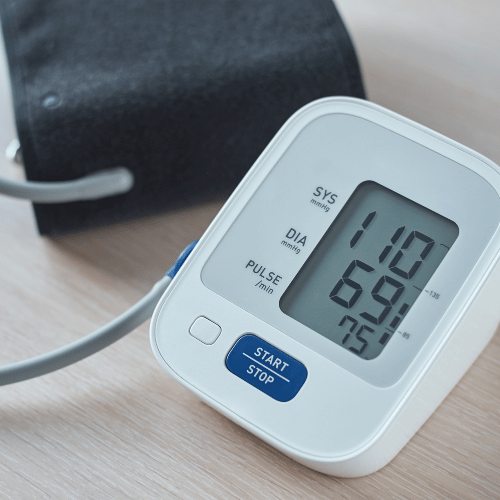
Blood Pressure Monitoring
Regular blood pressure monitoring helps your provider identify patterns and determine whether your treatment plan is working.
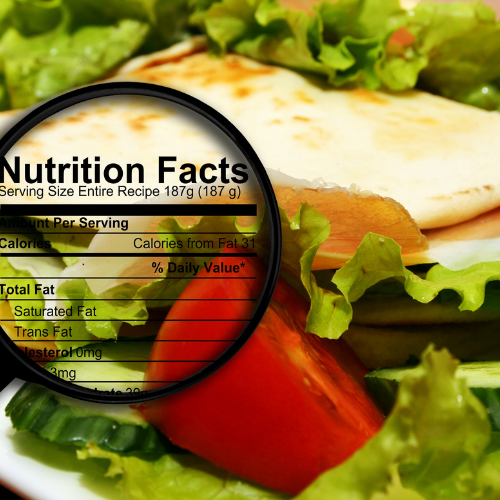
Nutrition and Sodium Intake
A heart-healthy eating pattern and reducing excess sodium can help lower blood pressure and support cardiovascular health.

Exercise and Physical Activity
Regular physical activity can help lower blood pressure, support weight management, and improve overall cardiovascular health.

Weight Management
For some patients, reaching and maintaining a healthier weight can significantly improve blood pressure and other cardiovascular risk factors.

Stress and Sleep
Managing stress and getting adequate sleep are important parts of an overall blood pressure management plan.

Medication Management
Some patients need medication in addition to lifestyle changes to control hypertension. Your provider can determine whether medication is appropriate based on your blood pressure and overall cardiovascular risk.
Can Hypertension Be Reversed?
Yes, high blood pressure can often be significantly improved and controlled through lifestyle changes, weight management, medication, and treatment of contributing health conditions.
Some patients may eventually require less medication as their blood pressure improves, but this varies from person to person, and medication should only be changed under the guidance of a healthcare provider.
Early detection is important because controlling blood pressure can reduce the risk of complications involving the heart, blood vessels, brain, and kidneys.
How Are Hypertension and Heart Disease Connected?
Hypertension and heart disease are closely connected. When blood pressure remains elevated over time, the heart and blood vessels must work harder. This can damage arteries and increase the risk of cardiovascular problems, including coronary artery disease, heart failure, and stroke.
Managing blood pressure is therefore an important part of reducing overall cardiovascular risk. At NCFP, we also evaluate related risk factors such as high cholesterol, diabetes, weight, smoking, family history, and lifestyle.
When Should You See a Doctor About High Blood Pressure?
You should talk with a healthcare provider if your blood pressure readings are consistently elevated, you have already been diagnosed with hypertension, your current treatment isn’t controlling your blood pressure, or you have additional cardiovascular risk factors such as diabetes, high cholesterol, kidney disease, or a family history of heart disease.
What Blood Pressure Is an Emergency?
If your blood pressure is higher than 180/120 mm Hg, repeat the measurement after at least one minute. If it remains that high, contact a healthcare professional promptly. If blood pressure above 180/120 occurs with symptoms such as chest pain, shortness of breath, weakness, numbness, vision changes, back pain, or difficulty speaking, call 911.
Chronic high blood pressure can lead to heart attacks and strokes.
Why Choose NCFP for Hypertension Care in Johns Creek?
Managing high blood pressure is about more than watching one number. At North Chattahoochee Family Physicians, we look at your overall health and the factors that may be contributing to your cardiovascular risk.
✔ Blood pressure evaluation and ongoing monitoring
✔ Personalized hypertension treatment
✔ Medication management when appropriate
✔ Preventive health screenings
✔ Management of diabetes and high cholesterol
✔ Nutrition, exercise, and weight guidance
✔ In-office testing when appropriate
✔ Long-term primary care and follow-up
Meet Our Johns Creek Primary Care Team
Our Johns Creek primary care providers diagnose and manage hypertension as part of comprehensive primary and preventive care. We work with patients to control blood pressure, identify related cardiovascular risk factors, and coordinate specialty care when needed.

Dr. Paul Ellis, M.D.
Primary Care & Chronic Disease Management

Dr. Lisa Culpepper, M.D
Women’s Health & Preventive Medicine

Dr. Christian Bramwell, M.D.
Sports and Preventive Medicine

Hanna Park, FNP-C

Kate Blanchard-Schmitz FNP-C

Anna Piercoro FNP-C

Kelly MacPhaul, PA-C
Managing More Than Your Blood Pressure
Hypertension often occurs alongside other cardiovascular and metabolic risk factors. Managing your overall health, not just your blood pressure number, can help reduce your long-term risk of heart disease and other complications.

High Cholesterol
High cholesterol and hypertension can both contribute to cardiovascular risk.
Learn About High Cholesterol →
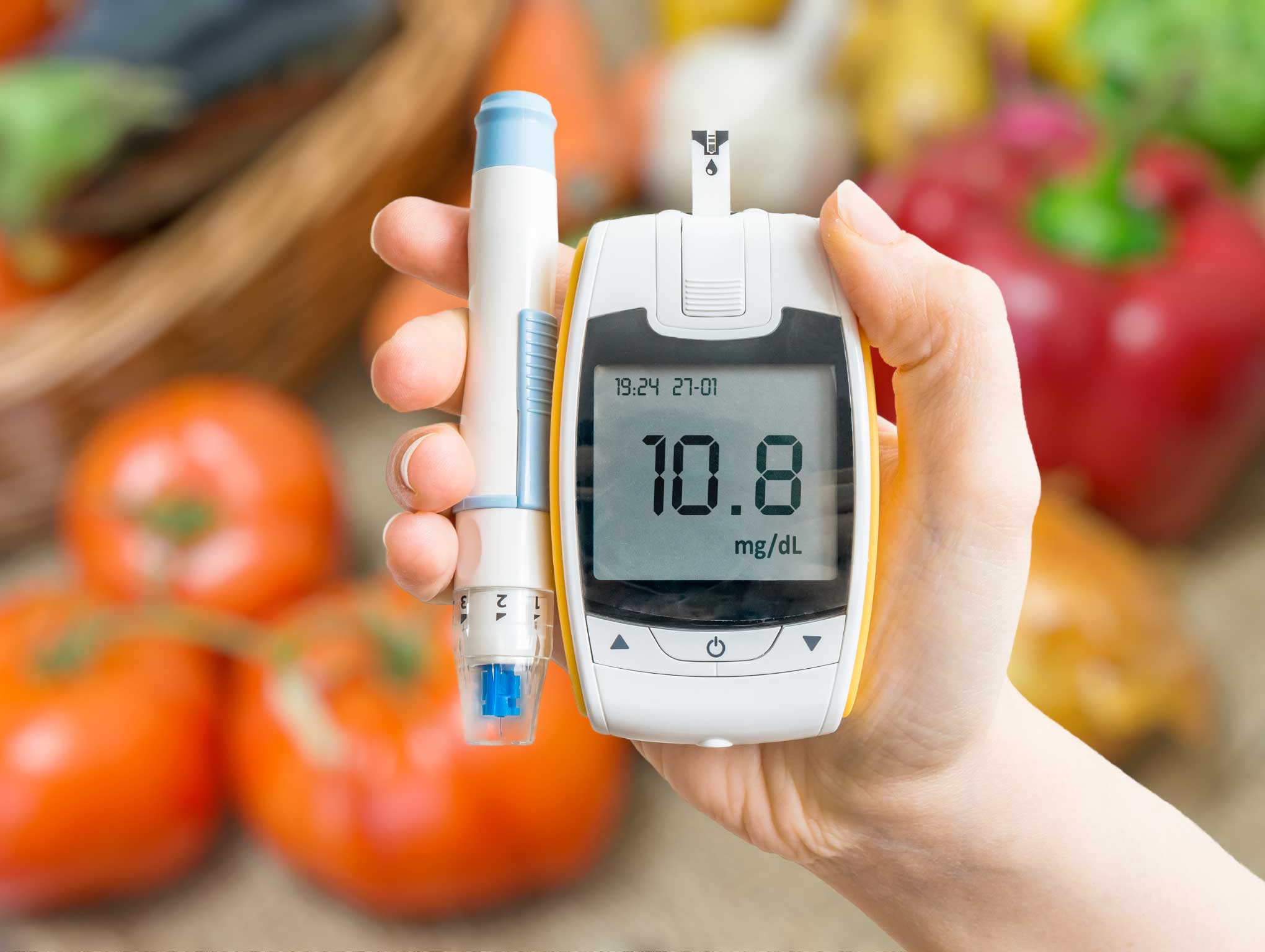
Diabetes
Diabetes and high blood pressure frequently occur together and can increase cardiovascular and kidney risks.

Weight Management
Weight can influence blood pressure, blood sugar, cholesterol, and overall cardiovascular health.
Preventive Medicine
Routine screenings can help identify hypertension & related risk factors before complications develop.
Looking for Hypertension Care in Johns Creek?
If you’ve been diagnosed with high blood pressure, are seeing elevated readings at home, or want to better understand your cardiovascular risk, the providers at North Chattahoochee Family Physicians can help.
Our Johns Creek primary care team provides hypertension evaluation, blood pressure management, preventive care, and ongoing monitoring tailored to your health needs.
Call (770) 497-1555 or schedule an appointment with NCFP in Johns Creek, GA.
Frequently Asked Questions About Hypertension
What is hypertension?
Hypertension, or high blood pressure, occurs when the force of blood against the walls of your arteries remains high, above 120/80. Over time, uncontrolled hypertension can damage blood vessels and increase the risk of heart disease, stroke, kidney disease, and other health problems.
Think of it as having too much water in your plumbing system at home. Those pipes will burst, or something bad will happen if those pressures stay too high for too long.
What causes high blood pressure?
High blood pressure usually has more than one cause. It can be influenced by genetics, age, diet, physical inactivity, excess sodium, weight, stress, certain medications, and health conditions such as diabetes or kidney disease. For many people, several factors contribute rather than one single cause.
What blood pressure is considered high?
Blood pressure of 130–139 systolic or 80–89 diastolic is considered Stage 1 hypertension. Blood pressure of 140/90 mm Hg or higher is considered Stage 2 hypertension. A healthcare provider should evaluate your readings over time to determine whether you have hypertension.
Anything above 180/120 requires urgent evaluation!
What are the symptoms of heart disease?
Heart disease may cause chest pain, shortness of breath, dizziness, fatigue, or palpitations. Some people have no symptoms until a serious event occurs.
The main hallmark of cardiac disease is getting tired or fatigued when you exert yourself. Your heart cannot keep up with the increased energy demand of activities.
It is a noticeable fatigue where you cannot climb up some stairs or walk across a beach without experiencing symptoms.
Can hypertension be reversed?
High blood pressure can often be significantly improved and controlled through lifestyle changes, weight management, medication, and treatment of contributing health conditions. Whether medication can eventually be reduced depends on the individual and should always be determined by a healthcare provider.
How often should I check my blood pressure at home?
If you have hypertension, your healthcare provider may recommend monitoring your blood pressure at home. How often you should check it depends on your condition and treatment plan. For our patients, I recommend checking twice a day.
Keep a record of your readings and bring them to your appointments so your provider can evaluate trends over time.
Can diet and exercise lower high blood pressure?
Yes. A heart-healthy eating pattern, reducing excess sodium, regular physical activity, maintaining a healthy weight, and managing stress can help lower blood pressure.
Popular diets like the Mediterranean diet have been shown to improve overall mortality. This diet is full of anti-inflammatory foods like olive oil, nuts, and fish with omega-3s.
Some patients also need medication to reach and maintain their blood pressure goals.
What foods should I avoid if I have hypertension?
Limit foods that cause inflammation. These foods include salt, processed foods, red meat, fried foods, and sugary drinks.
Eat more anti-inflammatory foods like ginger, berries, fatty fish (salmon, mackerel), and avocados.
Avoid tobacco (smoke and smokeless), excess caffeine, and alcohol.
What’s the difference between hypertension and heart disease?
Hypertension means your blood pressure is consistently too high. Heart disease refers to several conditions that affect the heart and the blood vessels of the heart.
Examples of heart disease include coronary artery disease and cardiomyopathy, among others.
Long-term uncontrolled hypertension can damage arteries and increase your risk of developing heart disease.
How can I prevent heart disease?
The best way to start is to maintain healthy blood pressure, eat well, stay active, avoid smoking, and manage stress.
Check your blood pressure at home once a day if you have hypertension.
Regular checkups with your doctor are key to prevention.
Taking medications as directed for conditions like high blood pressure and diabetes is also important.
When should I see a doctor about high blood pressure?
See a healthcare provider if your blood pressure readings are consistently elevated, you’ve been diagnosed with hypertension, your treatment isn’t controlling your blood pressure, or you have other cardiovascular risk factors such as diabetes, high cholesterol, kidney disease, or a family history of heart disease.
When is high blood pressure an emergency?
Blood pressure higher than 180/120 mm Hg can require urgent medical attention. If a reading above 180/120 occurs with chest pain, shortness of breath, weakness, numbness, vision changes, back pain, or difficulty speaking, call 911.