
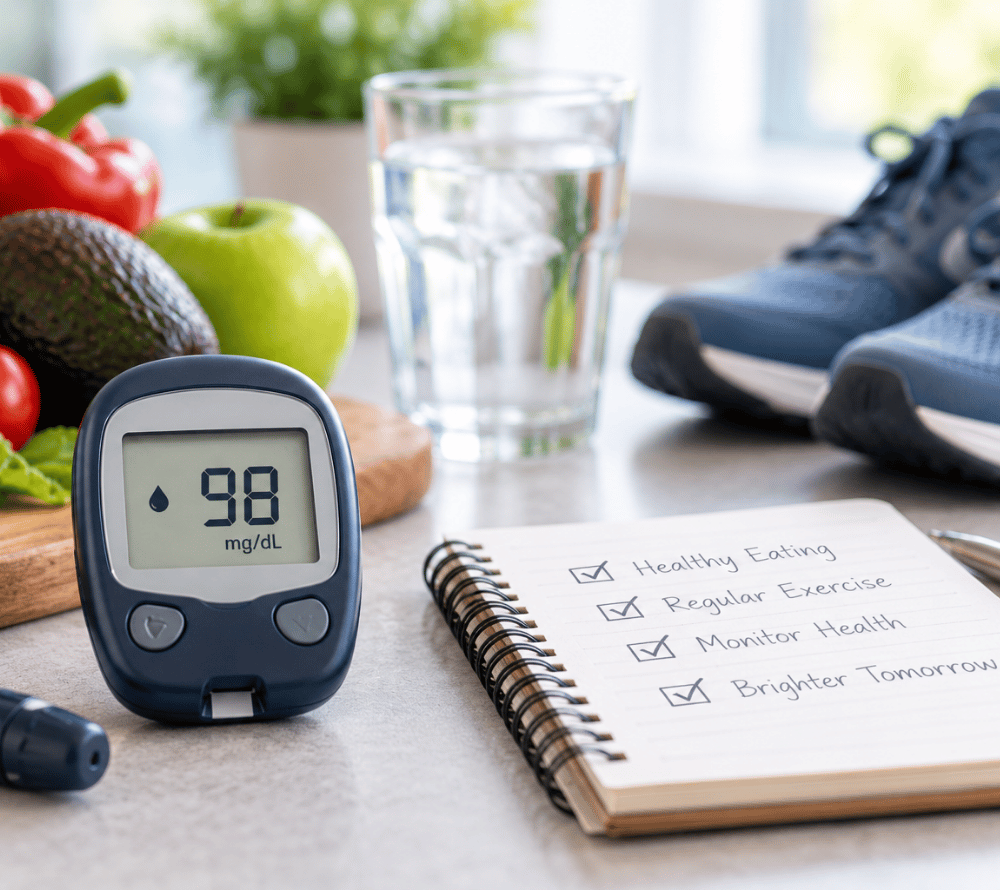
There are some medical conditions that last for life, and there are some that can be reversed.
Many of my patients—especially those diagnosed with Prediabetes or Type2 Diabetes—are told that it is a lifelong sentence that only gets worse with time. They think they are now going to have to be on insulin for the rest of their lives.
I’m Dr. Christian Bramwell, board-certified in Family Medicine and Sports Medicine. Let me give you the good news. Prediabetes/Type 2 Diabetes can be prevented, managed, and most importantly, reversed.
It is not easy and usually takes a combination of lifestyle and medicines. But if you are serious, let me explain how to accomplish this.
Type 1 vs. Prediabetes/Type 2 Diabetes: A Quick Comparison
First, this article is not for anyone with Type 1 diabetes.
Type 1 diabetes is an autoimmune condition where the pancreas stops producing insulin. It does not matter how sensitive your body is to insulin if it’s not making any. People are diagnosed very early in life with type 1. These people will need some form of insulin for the rest of their lives.
Type 1 DM is NOT reversible.
| Characteristic | Type 1 Diabetes | Prediabetes/Type2 Diabetes |
|---|---|---|
| Primary Cause | Autoimmune destruction of pancreatic beta cells | Insulin resistance and metabolic dysregulation |
| Insulin Production | Little to no insulin produced | Normal or high insulin levels initially |
| Reversibility | Not reversible; requires lifelong insulin | Reversible / Partial Remission possible through lifestyle & medical intervention |
| Main Drivers | Genetics and autoimmune factors | Diet, sedentary lifestyle, visceral adiposity, genetics |
What Causes Prediabetes/Type2 Diabetes and Insulin Resistance?
Prediabetes/Type2 Diabetes is a metabolic condition driven by insulin resistance.
Prediabetes is the mild form of type 2 diabetes. People will progress into prediabetes before the onset of full-blown type 2 diabetes.
Prediabetes is caused when your metabolic system begins to struggle with processing glucose. Research indicates that 1 of 3 Americans are currently living with this condition, with most not knowing they have it. Without intervention, this can evolve into Type 2 Diabetes as glycemic regulation continues to deteriorate.
Think of insulin as a key that unlocks your cells to use the glucose in your blood.
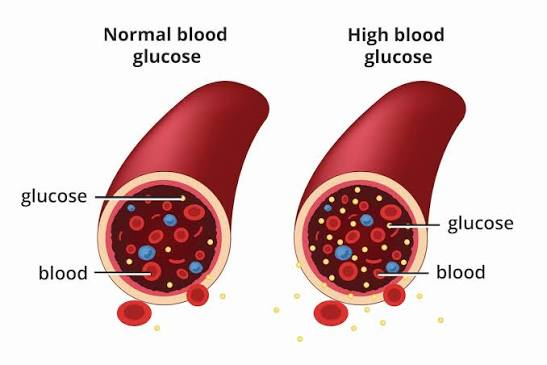
When you have insulin resistance, the cell’s keyhole becomes gummed up. This is caused by excess body fat, lack of physical activity, and diets high in refined carbohydrates. Because the keys aren’t working well, sugar stays locked in your bloodstream. Your pancreas responds by producing double or triple the amount of insulin to force those doors open.
Here are the problems it creates:
- High circulating insulin levels signal your body to store fat and block fat breakdown (lipolysis).
- The elevated blood sugar causes inflammation and damages blood vessels, nerves, and other tissue throughout your body.
- Eventually, the pancreas gets overworked and can atrophy or not function as well.
Key Biomarkers We Check to Track Your Progress
To see if your body is resistant to insulin, we order targeted blood markers:
- Hemoglobin A1c (A1C): Measures your average blood sugar levels over the past 3 months. An A1C below 5.7% is normal, 5.7% to 6.4% indicates prediabetes, and 6.5% or higher indicates diabetes.
- Fasting Insulin: Measures how hard your pancreas is working to maintain normal blood sugar. Elevated fasting insulin is often the earliest warning sign of stubborn weight and insulin resistance.
- C-Peptide: Tells us how much insulin your body is actively making, helping confirm whether you have Type 1 or 2 Diabetes.
- Comprehensive Metabolic Panel (CMP): Checks your liver and kidney function. Because your liver is a core fat-burning organ, abnormal enzymes can indicate fatty liver disease driven by insulin resistance.
How Can We Reverse Prediabetes/Type2 Diabetes?
Putting Prediabetes/Type2 Diabetes into remission requires lowering your body’s metabolic resistance. Here is the multi-step strategy we use with our patients:
1. Build Muscle Through Resistance Training
Resistance training is one of the best ways to increase your metabolic rate.
IF YOU ARE NOT LIFTING WEIGHTS, YOU ARE NOT MANAGING YOUR DIABETES PROPERLY.
Muscles are extremely metabolically active and are the biggest consumers of glucose. When you exercise large muscle groups—such as your quads, hamstrings, and back—your muscles pull glucose out of your blood for energy, even without needing extra insulin.
You do not need to lift heavy for resistance training. You can use weights, exercise bands, or even your own body weight to feel that burn.
According to the American Diabetes Association, regular physical activity (at least 150 minutes per week) can improve insulin sensitivity by up to 40%. Aim for at least 3 sessions of 30-minute strength training workouts each week.
Cardio is still great for your heart. It will keep your blood pressure low and heart rate at a good level. The ideal workout routine consists of both cardio and resistance training.
2. Shift to Fiber-Rich, Whole Foods using the Glycemic Index
To stop the constant glucose spikes, limit refined sugars, white bread, fried foods, and sugary beverages. Focus instead on:
- High-fiber foods (vegetables, legumes, whole grains) that slow digestion and stabilize blood glucose.
- Lean proteins that keep you full and preserve lean muscle mass. Protein causes less inflammation than carbohydrates in general.
- Healthy fats (avocados, nuts, olive oil) that do not trigger large insulin releases.
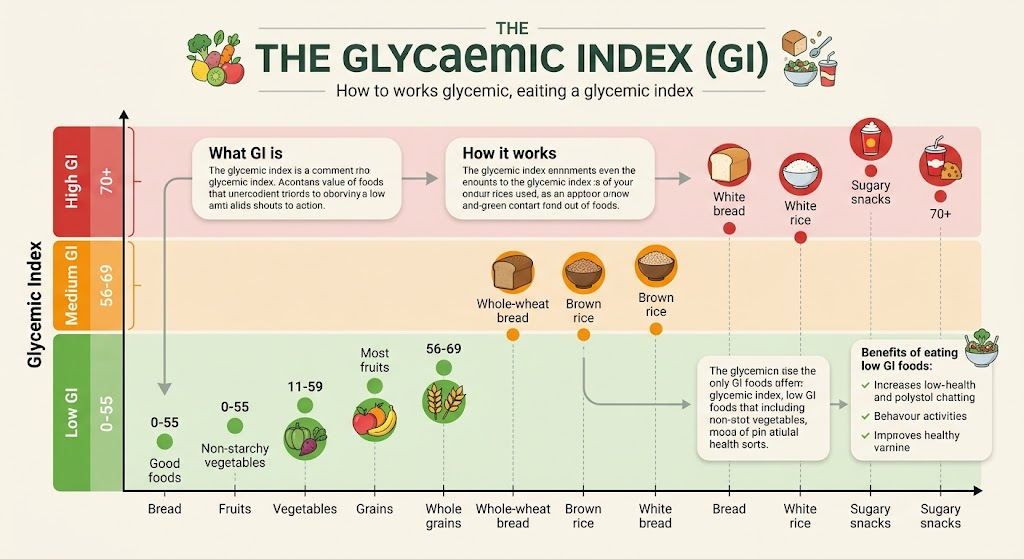
The Glycemic Index should be used as a guide to see which foods will spike your glucose. Foods lower on the index ( nuts, fruit, chicken) will spike your glucose much less than higher index foods like bagels, white rice, or soda.
3. Weight Loss Helps, Lifestyle and Medicine Make this Possible
Weight loss is directly linked to better diabetes control. Data has shown that those who lost weight saw 77–97% remission of diabetes versus 15–27% with stable weight.
For many patients, targeted medical therapy helps accelerate results and lowers metabolic resistance:
- Metformin: A foundational first-line treatment that improves insulin sensitivity and reduces glucose production in the liver. We use this for diabetes, fatty liver, and other early diseases of insulin resistance.
- GLP-1 Receptor Agonists (e.g., Semaglutide, Tirzepatide): These modern medications mimic gut hormones to slow stomach emptying, increase satiety, and help achieve meaningful weight loss—often reducing the need for traditional diabetes pills and insulin. The studies are showing that, along with reducing insulin resistance, they decrease the risk of heart attack, stroke, and cardiovascular events in people.
4. Prioritize Sleep and Manage Stress
Chronically high stress and poor sleep elevate Cortisol and C-Reactive Protein (CRP). Elevated cortisol promotes visceral fat storage around your stomach and worsens insulin resistance. Getting 7 to 8 hours of quality sleep per night is just as critical as your diet.
What Should You Do Next?
- Get your blood work checked: Ask for a comprehensive metabolic screen including A1C and Fasting Insulin.
- Know your numbers: Track your baseline so you can measure real progress over time to monitor treatment.
- Start moving, lose some weight, and start lifting: Incorporate progressive resistance training alongside daily walking.
- Review your medications with a doctor: Never stop taking prescribed diabetes medications on your own. As your diet and activity improve, your doctor can safely taper your dosages.
The Bottom Line
Prediabetes/Type2 Diabetes does not have to be a permanent condition. By taking a proactive approach focused on whole-person nutrition, resistance training, and appropriate medical support, you can lower your blood sugar, improve insulin sensitivity, and protect your heart for the long haul.
Diabetes and Prediabetes are one of our core specialties at North Chattahoochee Family Physicians. Discuss what tests and lifestyle changes are right for you with one of our experienced providers today so you can take back control of your health.
Citations
- Kahn SE, Cooper ME, Del Prato S. Pathophysiology and treatment of Prediabetes/Type2 Diabetes: perspectives on the past, present, and future. Lancet. 2014;383(9922):1068-1083.
- Lean ME, Leslie WS, Barnes AC, et al. Primary care-led weight management for remission of Prediabetes/Type2 Diabetes (DiRECT): an open-label, cluster-randomised trial. Lancet. 2018;391(10120):541-551.
- American Diabetes Association. Standards of Medical Care in Diabetes—2024. Diabetes Care. 2024;47(Suppl 1):S1-S343.
- Ridker PM. Clinical application of C-reactive protein for cardiovascular and metabolic disease. Circulation. 2003;107(3):363-369.
- Morieri ML, Rigato M, Frison V, et al. Early weight loss, diabetes remission and long-term trajectory after diagnosis of type 2 diabetes: a retrospective study. Diabetologia. 2025.
- Churuangsuk C, Hall J, Reynolds A, et al. Diets for weight management in adults with type 2 diabetes: an umbrella review of published meta-analyses and systematic review of trials of diets for diabetes remission. Diabetologia. 2022.
MEDICAL DISCLAIMER: The information provided in this article is for educational and informational purposes only. It is not intended to be a substitute for professional medical advice, diagnosis, or treatment. Always seek the advice of your physician or another qualified healthcare provider with any questions you may have regarding a medical condition. Never disregard professional medical advice or delay in seeking it because of something you have heard or seen in this article.