
Ask Dr. Bramwell | Christian Bramwell, MD, Board-Certified Sports Medicine Physician
Introduction & Professional Disclaimer
MEDICAL DISCLAIMER: The information provided in this article is for educational and informational purposes only. It is not intended to be a substitute for professional medical advice, diagnosis, or treatment. Always seek the advice of your physician or another qualified healthcare provider with any questions you may have regarding a medical condition.
Why Does My Knee Hurt? A Comprehensive Guide to Nagging Knee Pain
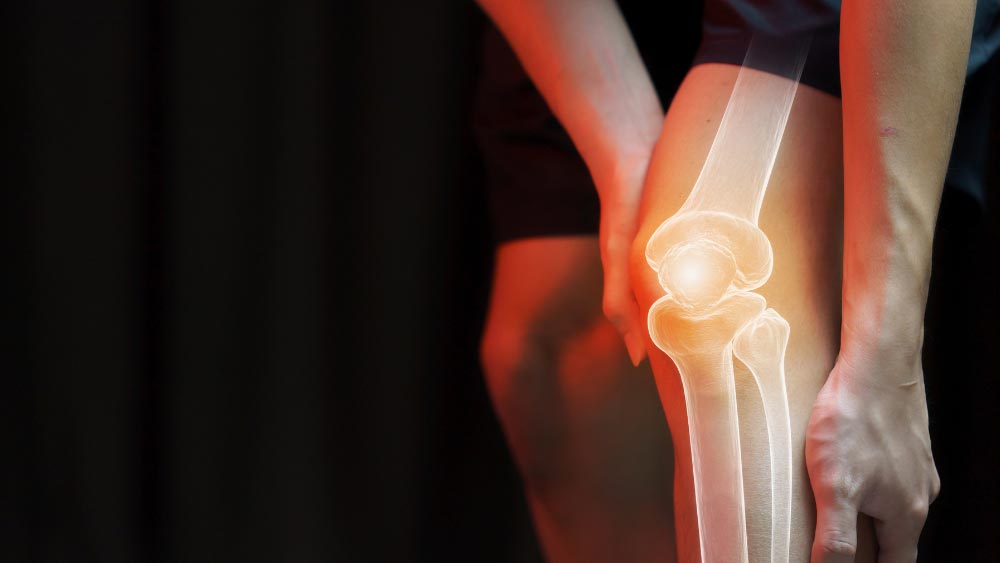
Knee pain is no joke. ⅓ of Americans deal with some form of chronic or acute knee pain. s. Dealing with chronic or acute knee pain is not something you should have to live with, nor should it keep you on the sidelines of your life.
I am Dr. Christian Bramwell, a board-certified sports medicine physician. The knee is a complex joint composed of bones, muscles, tendons, ligaments, and menisci that are all crucial for our mobility. It is one of the most complex and important joints in our body. Understanding the specific location of your knee pain is the first step toward finding relief. Let me help you and give you my guide on knee pain based on location.
1. Anterior Knee Pain (Front of the Knee)
Pain in the front of the knee is highly common and is often related to the patella (kneecap) and the surrounding cartilage. It sits in the groove of the thigh bone or femur. It is key in extending and flexing our lower leg.
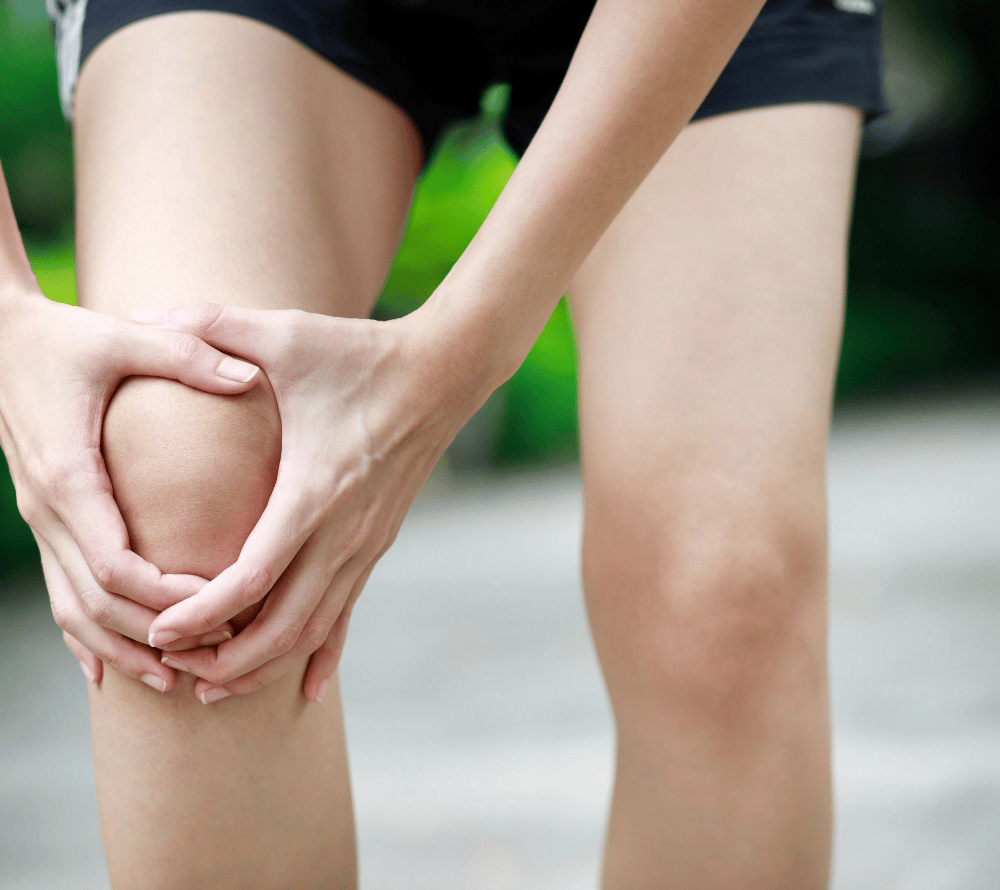
- Patellofemoral Pain Syndrome (Pain with flexion at knee cap): Commonly known as “runner’s knee,” this is an alignment issue where the kneecap fails to track correctly with the femur when the knee bends and straightens. This condition typically causes a throbbing pain in the front of the knee. The pain often worsens when going up stairs, performing deep flexion, or doing high-impact activities. Because it is an overuse injury, most individuals recover using rest, ice, anti-inflammatory medications, and physical therapy focused on the core, hip rotators, and knee muscles to restore proper alignment.
- Osteoarthritis (Throbbing diffuse pain with stiffness): This condition involves a gradual loss of normal cartilage due to repeated mechanical stress and aging. Once this cartilage is gone, it does not grow back. Osteoarthritis typically presents as a worsening, nagging, diffuse pain along the joint line. Initial treatments include reducing high-impact activities (like basketball or running), resting, using ice, taking anti-inflammatories, and strengthening the leg muscles through physical therapy. If conservative methods fail, injection options include acute pain-relieving steroids, lubricating hyaluronic acid (gel) injections, or Platelet-Rich Plasma (PRP). PRP is an injection derived from the patient’s own spun blood that contains cells to promote healing and function, showing the best long-term results. Severe cases that fail all conservative management may require a knee replacement.
2. Pain Above and Below the Kneecap
The kneecap is connected by two major tendons. The quadriceps tendon on top and by the patellar tendon on the bottom. These are powerful tendons that anchor the patella during flexing and extension of the knee. They are injured more often from overuse rather than trauma. The force required to rupture these tendons would be something like a car accident or a severe fall.
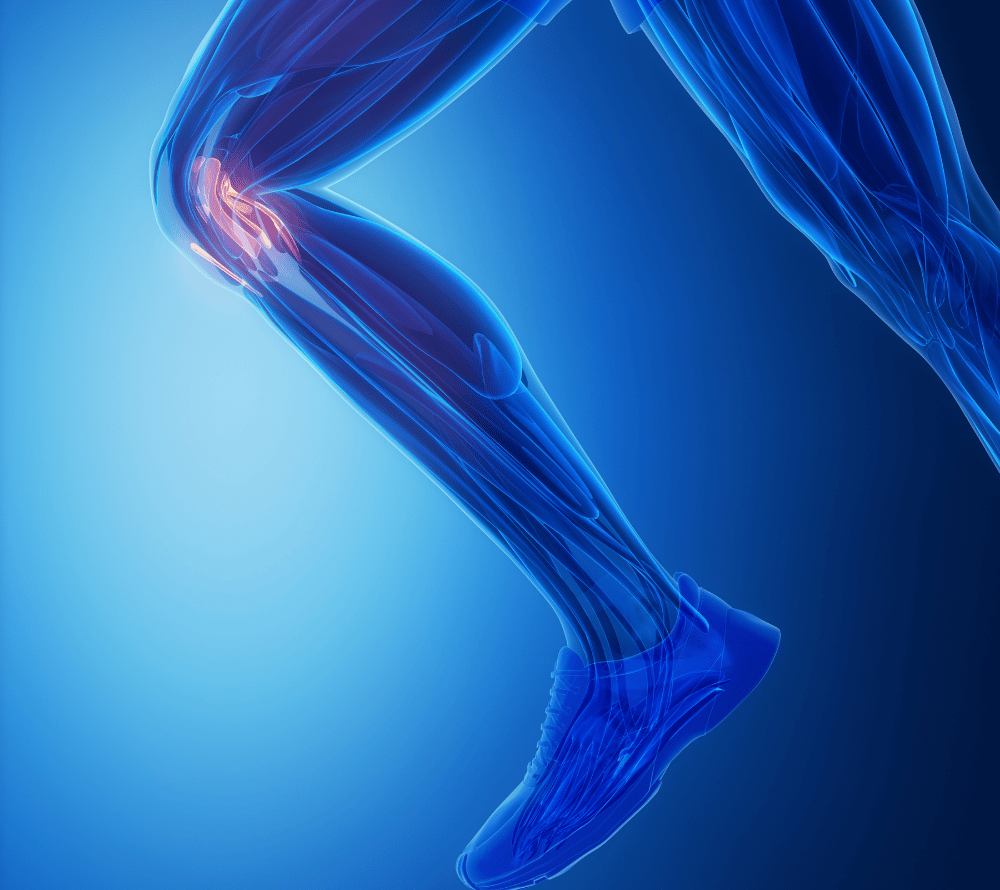
- Quadriceps Tendonitis (Above): The quadriceps form the front of the thigh and are responsible for extending the leg and flexing the hip. The tendon attaches to the superior (top) portion of the kneecap. Repetitive high-impact activities can cause overuse injuries here, presenting as pain at the top of the kneecap that worsens when extending the leg. Bad biomechanics, such as flat feet, ankle stiffness, or weak gluteal muscles, can contribute to this stress. Treatment involves rest, ice, anti-inflammatories, and a gold-standard rehabilitation program using isometric exercises followed by eccentric loading to strengthen the tendon.
- Suprapatellar Bursitis (Above): A bursa is a fluid-filled sac that reduces friction between muscles and joints. The suprapatellar bursa sits between the thigh bone and the quad tendon. When irritated by repetitive friction, crouching, or kneeling (common in plumbers, carpenters, and cleaners), it causes restricted knee bending and warmth above the kneecap. Treatment involves avoiding direct pressure, deep squatting, and kneeling, alongside using ice, anti-inflammatories, and knee pads.
- Patellar Tendinitis (Below): Also known as “jumper’s knee” or “runner’s knee,” this affects the tendon connecting the bottom of the kneecap to the shin bone. It causes pain directly below the kneecap that flares up during explosive movements like sprinting or jumping, and may be accompanied by swelling. Stiff thigh muscles, hamstrings, or quadriceps can increase your risk. The gold standard treatment involves rest, ice, wearing a patellar tendon strap for support, and consistent isometric and eccentric physical therapy targeting the quads, calves, hips, and glutes.
3. Medial Knee Pain (Inside of the Knee)
The inside of the knee contains vital stabilizing ligaments and shock-absorbing cartilage called the meniscus. We have one on the inside and outside of the knee, anchored by a ligament. The medial ligament has more attachments to the medial meniscus. Any force applied to the inside part of the knee has potential to injure both, whether from chronic overuse or acute trauma.
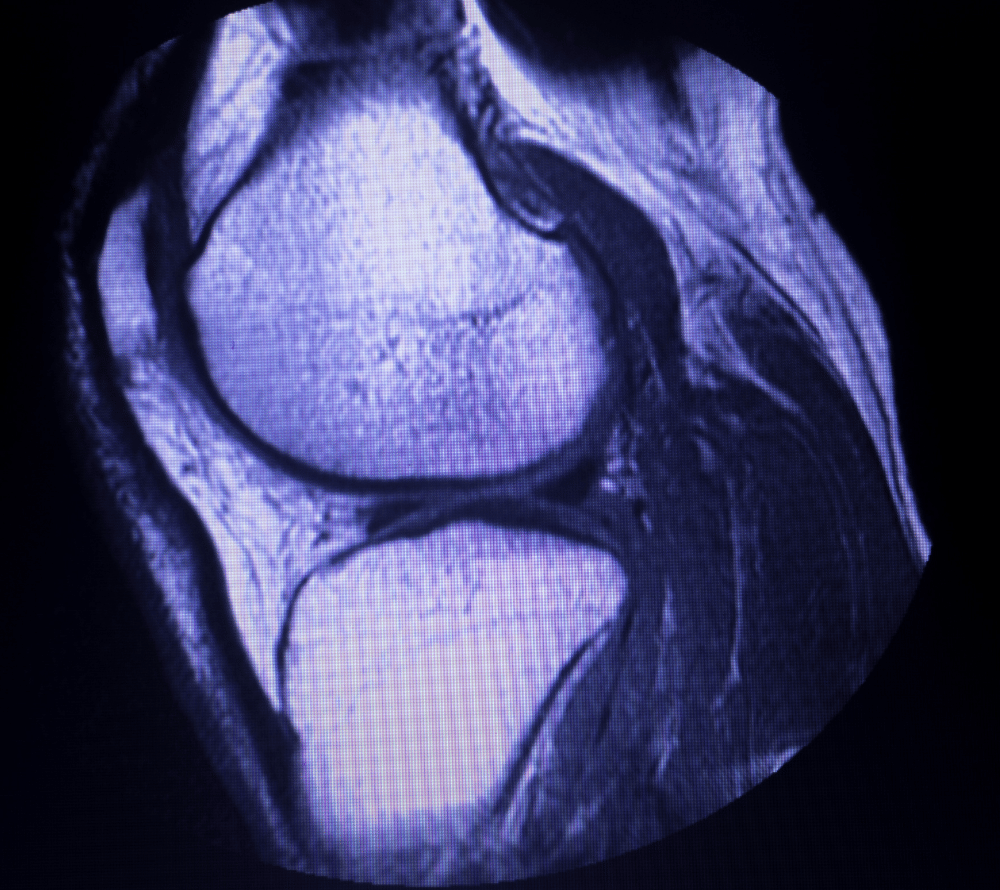
- Medial Collateral Ligament (MCL) Injury (Sharp pain on outside of knee pain): The MCL is a thick band connecting the shin and thigh bones to prevent the knee from collapsing inward and resisting twisting forces. Injuries are usually caused by a direct blow to the inside of the knee or a rapid twisting motion. Symptoms include a popping or pulling sensation, stiffness, swelling, and a buckling feeling of instability over time. Grade 1 and 2 tears are treated with a hinged brace, rest, and physical therapy focused on early mobilization of the leg and hip muscles. Grade 3 injuries are complete, unstable tears that require surgery followed by extensive physical therapy.
- Medial Meniscus Tear (Diffuse pain on inside of knee): This C-shaped rubbery cartilage acts as a shock absorber between the shin and thigh bones. It is more prone to tearing than its lateral counterpart due to its connection to the MCL. Traumatic tears occur when the foot is planted and the knee is forcefully twisted. Degenerative tears happen in older adults due to thinning cartilage and can occur during normal activities like stepping on a curb. Treatment depends on the tear’s location; outer tears with good blood supply often heal with bracing, ice, and therapy, while full tears across the meniscus usually require surgery.
- Pes Anserine Bursitis (Throbbing and warmth of lower inside knee): Located on the inner shin where three tendons meet, this bursa can become inflamed from repetitive kneeling, squatting, or bending. Symptoms include swelling, warmth, and tenderness on the inside of the knee. It is a self-limiting condition that resolves with ice and anti-inflammatories without the need for surgery.
4. Lateral Knee Pain (Outside of the Knee)
Pain on the outside of the knee is frequently related to friction of the IT band and the lateral lollateral ligament. There is also another meniscus on the outside of the knee. This one is less injured as it is more mobile than the medial one.
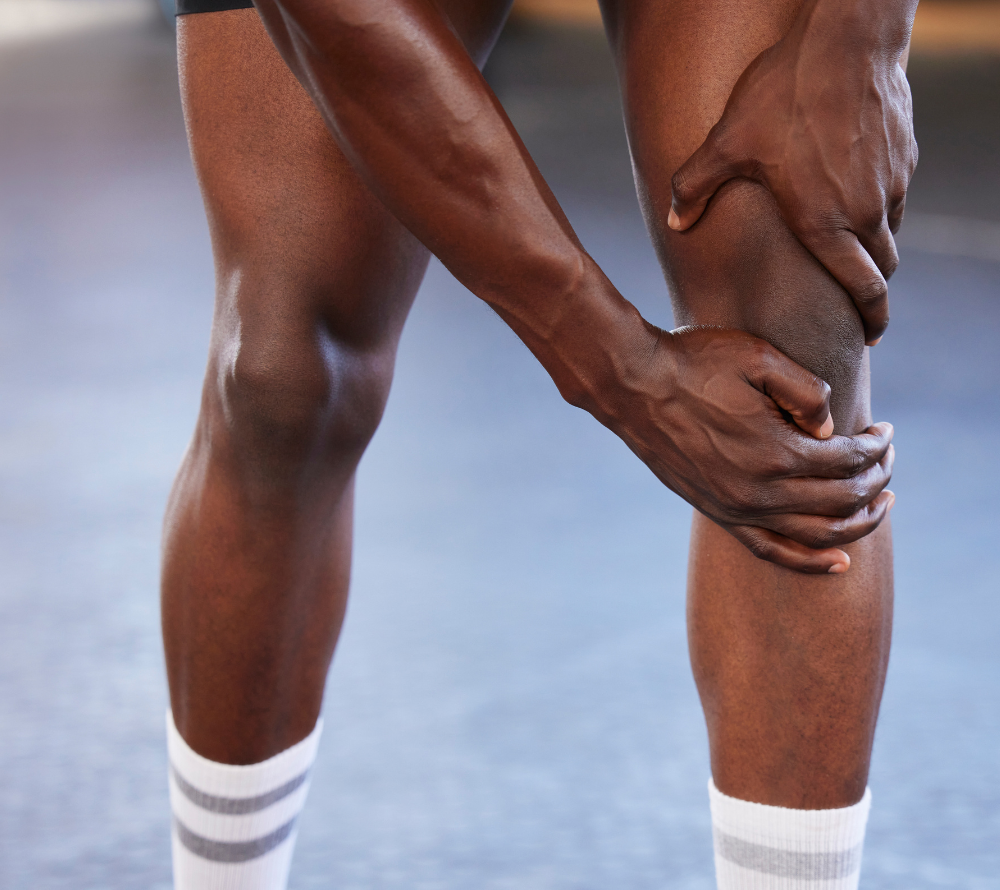
- Iliotibial (IT) Band Syndrome ( Outside knee pain with high impact and repeated bending): The IT band runs from the hip to the outside of the shin bone. Common in runners and cyclists, repetitive friction and compression cause a stinging or burning pain that worsens with stairs or repetitive movements. Patients may also feel a rubbing or snapping sensation when extending the knee. Treatment involves modifying activities (e.g., wearing proper shoes, running on softer indoor tracks) and utilizing physical therapy to address weak core and hip muscles.
- Lateral Collateral Ligament (LCL) Injury (Sharp pain on outside of knee): Attaching to the outside of the knee, this ligament is less injured compared to its medial counterpart. Injuries usually stem from a high-energy twisting mechanism or direct contact. Similar to the MCL, Grade 1 and 2 tears require anti-inflammatories, bracing, and therapy, while Grade 3 tears require surgery.
- Lateral Meniscus Tear (Diffuse pain on outside of knee): Acting as a shock absorber on the outside of the knee, this crescent-shaped cartilage is more mobile and less frequently injured than the medial meniscus. Tears are usually caused by high-impact twisting on a bent knee and are heavily associated with ACL tears. Some individuals have a genetically thicker “discoid meniscus,” making them more prone to snapping and mechanical issues. Like the medial meniscus, healing depends heavily on the blood supply of the area torn. Injuries on the outer part of the meniscus heal better than those closer to the inside.
5. Posterior Knee Pain (Back of the Knee)
Pain in the back of the knee is frequently tied to fluid accumulation from a bakers cyst or hamstring issues. Bakers Cysts are a symptom of something else going on with the knee. The hamstrings are usually injured from overuse from high-impact activities like jumping and basketball. Now, it is important to note that some other conditions, like osteoarthritis, can present with knee pain diffusely in the front and back.
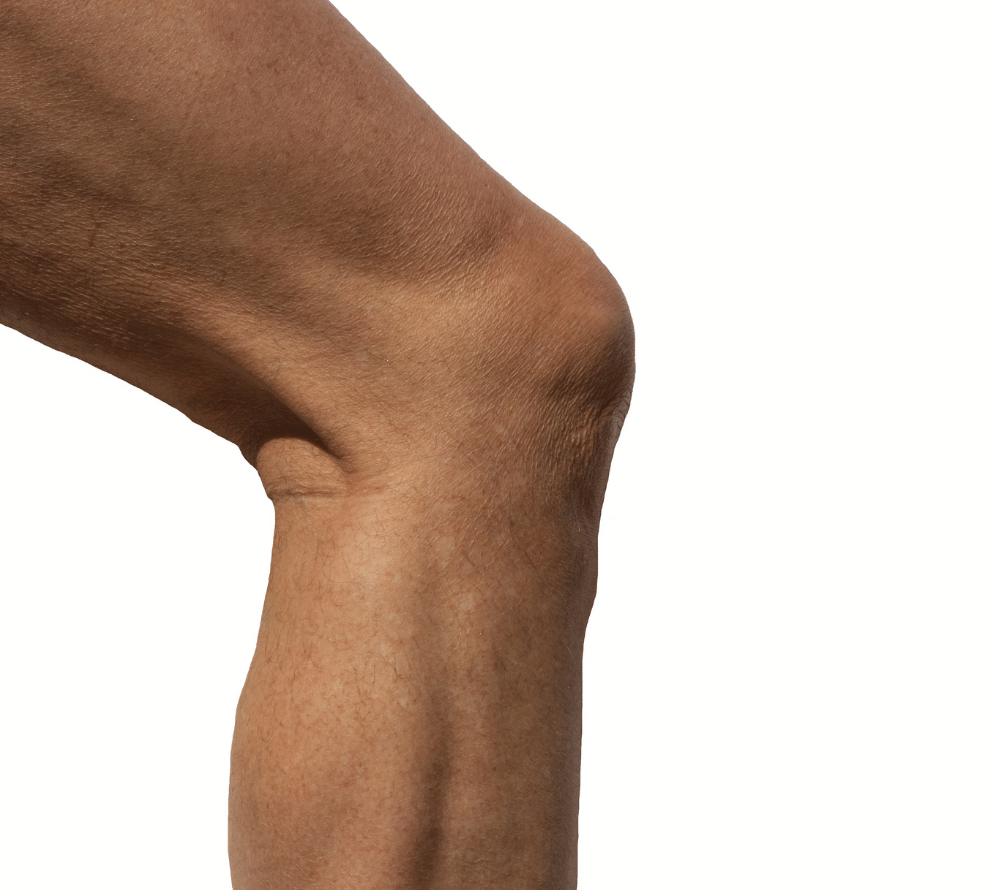
- Baker’s Cyst ( Pain behind the knee worse when bending): This is a fluid-filled sac that creates a visible lump or a feeling of fullness and dull aching behind the knee. It occurs when an underlying issue (like arthritis, ligament injuries, or a meniscus tear) causes the joint to overproduce synovial lubricating fluid, which pushes backward into a sac. Treatment involves addressing the underlying knee injury so the cyst does not return. Symptoms can be managed with NSAIDs, elevation, ice, or by draining the cyst under ultrasound guidance with an orthopedic provider.
- Hamstring Tendonitis ( Pain in back of the knee when extending leg): The hamstring muscles run from the back of the thigh down to the back of the knee. Inflammation can occur near the knee or higher up near the buttock. It is an overuse injury caused by rapid training increases, hill running, and weak core or gluteal muscles. Pain worsens when loading the leg, accelerating, sitting, or stretching. Treatment requires rest, avoiding overstretching, using ice and anti-inflammatories, and then progressing through physical therapy (starting with isometric holds like gluteal bridges and advancing to heavy slow resistance like single-leg curls). Recovery can take several weeks.
Summary of Knee Pain Locations
You do not have to live with knee pain. Please make a visit with your local sports medicine doctor like me to discuss treatments. Do not be afraid, as is NOT usually the first-line treatment for most knee issues. Most of these conditions can be treated non-operatively with activity modification, biomechanical correction, and physical therapy.
- Front: Patellofemoral Pain Syndrome (PFPS), Anterior Meniscus, ACL.
- Above/Below: Quadriceps Tendinitis, Patellar Tendinitis, Osgood-Schlatter.
- Medial (Inside): Medial Collateral Ligament (MCL), Medial Meniscus, Pes Anserine Bursitis, Plica.
- Lateral (Outside): IT Band Syndrome, Lateral Collateral Ligament (LCL), Lateral Meniscus.
- Back: Posterior Cruciate Ligament (PCL), Baker’s Cyst, Hamstring Injury.
MEDICAL DISCLAIMER: The information provided in this article is for educational and informational purposes only. It is not intended to be a substitute for professional medical advice, diagnosis, or treatment. Always seek the advice of your physician or another qualified healthcare provider with any questions you may have regarding a medical condition. Never disregard professional medical advice or delay in seeking it because of something you have heard or seen in this article.